
From Personal Strength to Collective Action: Myanmar Youth on The Move Building Social Cohesion
Youth for Social Cohesion (Y4SC) Fellowship 2026 | Mae Sot and Chiang Mai, Thailand
Across two locations in Thailand, young people from Myanmar explored what it means to live together across differences, understand their rights, and build the power to create change in their communities.
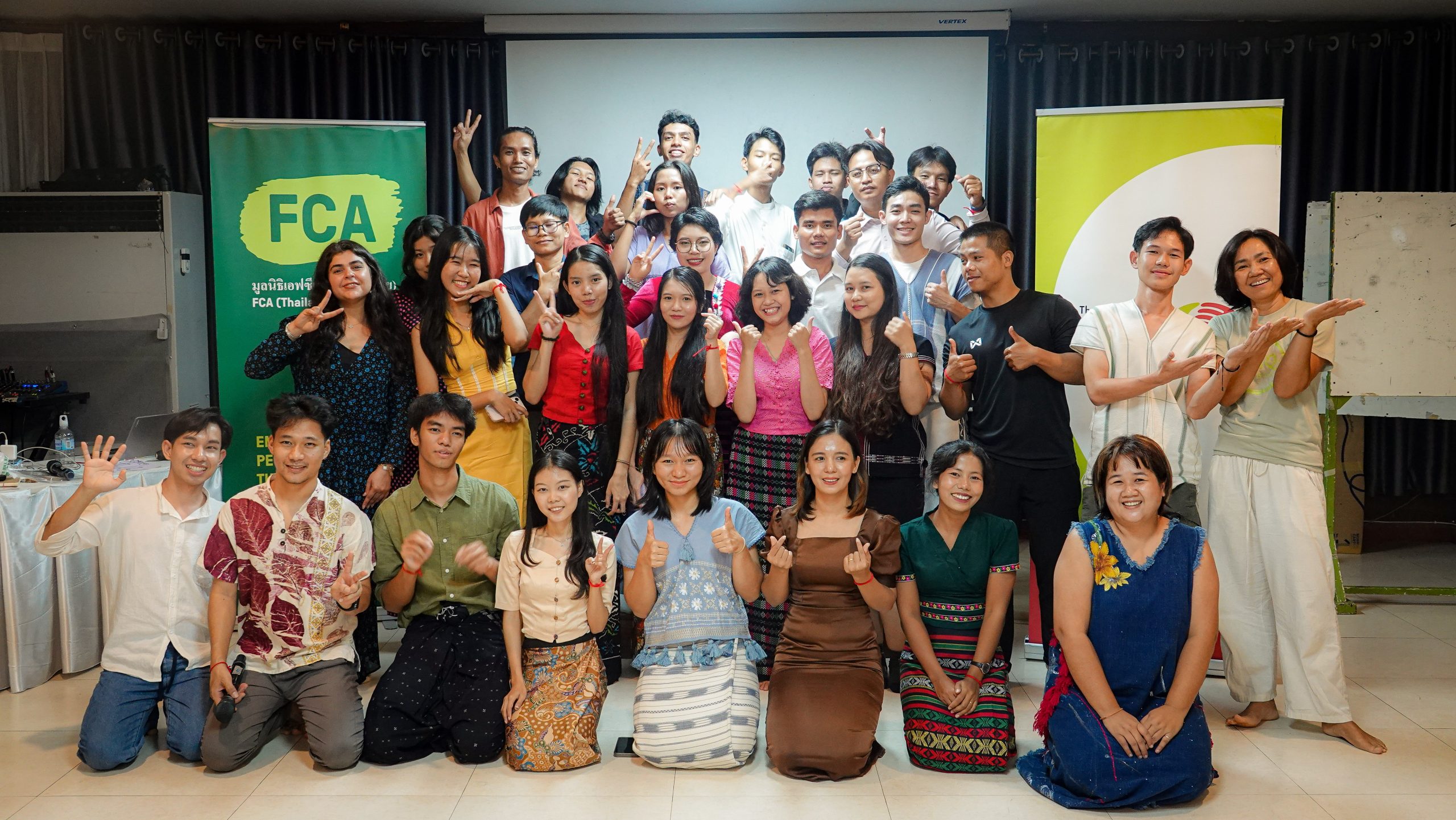
Young leaders, migrant and displaced youth gather in Mae Sot, Tak Province and in Chiang Mai for a Youth on the Move: A Regional Approach to Resilience workshop.
Since 2021, ongoing conflict, insecurity, and economic hardship in Myanmar have forced many young people to leave their homes and seek safety and opportunities elsewhere. For those arriving in Thailand, starting a new journey often means navigating unfamiliar legal systems, uncertain documentation, barriers to education and employment, and the challenge of building relationships with new communities. At the same time, differences in ethnicity, religion, language, and lived experience can create divisions among people who are already facing difficult circumstances.
Myanmar youth on the move are not only affected by these challenges. They also bring knowledge, leadership, creativity, and networks that can help strengthen their communities.
Recognizing this potential, the 2026 Youth for Social Cohesion (Y4SC) Fellowship created opportunities for young people to reflect on their experiences, understand the structures that shape their lives, and explore practical ways to contribute to more inclusive communities.
As part of Finn Church Aid’s (FCA) regional Youth on the Move: A Regional Approach to Resilience project, funded by Ministry of Foreign Affairs of Finland, the fellowship was co-organized by FCA Thailand Foundation and the Spirit in Education Movement (SEM). The workshops took place in Mae Sot, Tak Province, from 21–23 August 2026, and in Chiang Mai from 25–27 September 2026, bringing together 51 young leaders, migrant youth, displaced young people, and community organizers from diverse ethnic, religious, and geographical backgrounds.
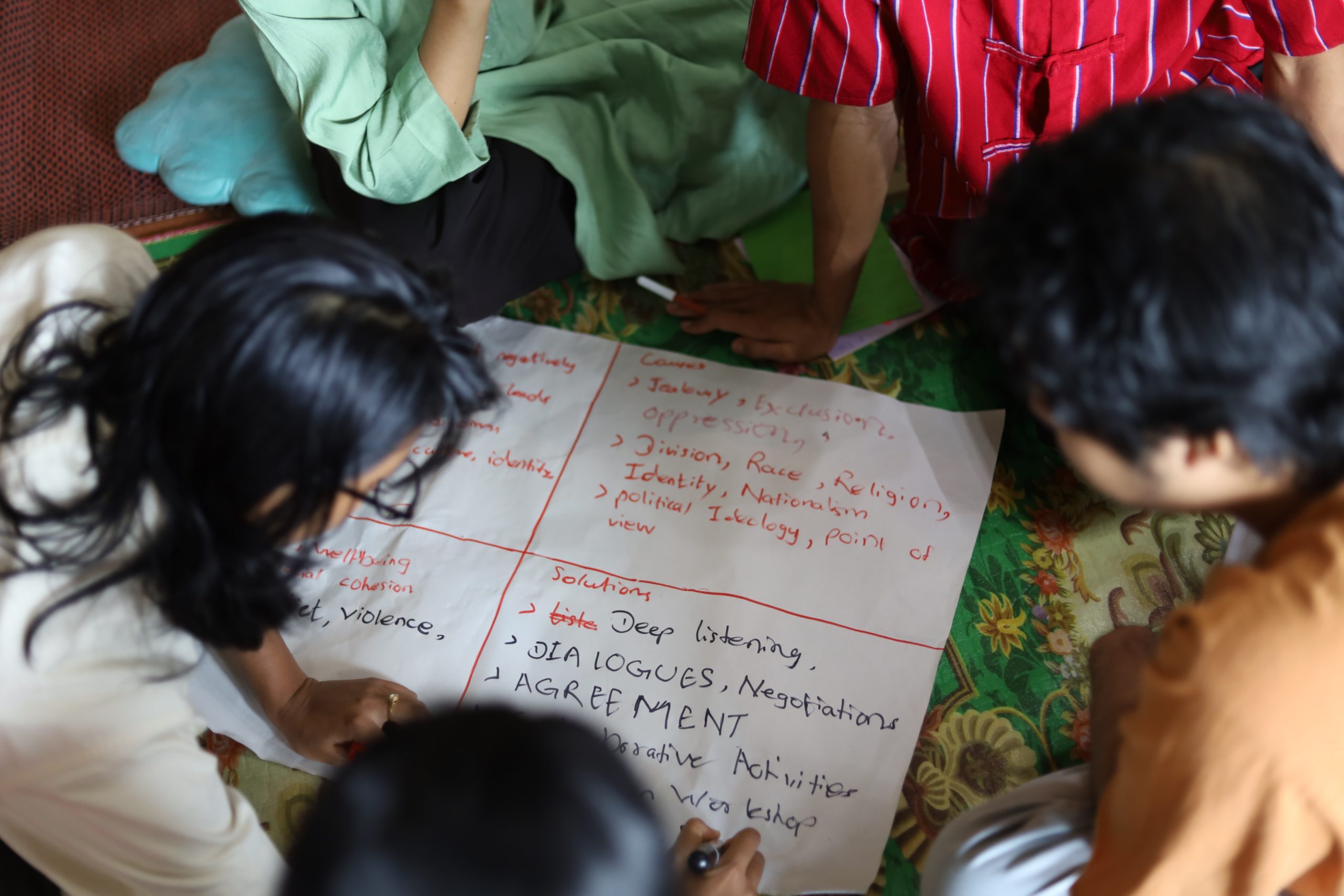
Workshopping session on building capacity and identifying solutions on creating safe and inclusive learning spaces.
Rather than following a traditional lecture-based approach, the fellowship used experiential learning, group reflection, dialogue, and practical exercises. Its curriculum connected personal experiences with broader social issues, moving from deep listening and power analysis to legal awareness, conflict transformation, social cohesion, youth leadership and collective action among displaced Myanmar youth in Thailand through safe and inclusive learning spaces.
Understanding Power Within
Before discussing wider social challenges, participants began by building trust and deep-listening. Through paired sharing, deep-listening exercises, and relaxation activities, they practiced listening without judgment, respecting confidentiality, and creating space for different emotions and experiences.
The fellowship then explored how power operates in everyday life. Participants examined how documentation, financial resources, education, language, social status, and access to networks can influence people’s opportunities and relationships.
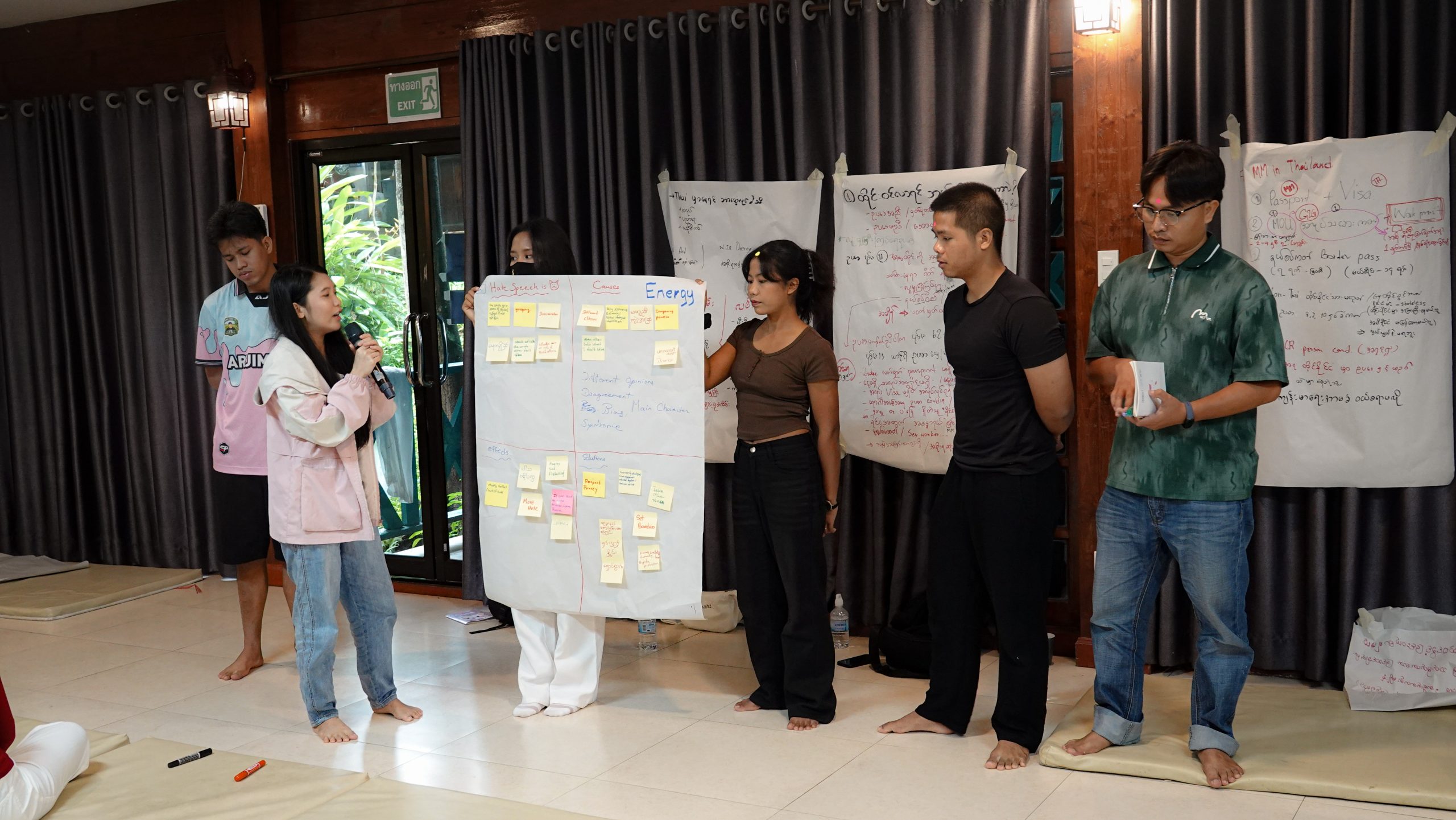
Youth presenting their group activities and discussions.
Through discussions on Power Over, Power With, and Power Within, they reflected on the difference between controlling others, working together through shared decision-making, and recognizing their own inner strengths. Practical activities encouraged participants to identify qualities such as compassion, courage, empathy, perseverance, and critical thinking.
These reflections connected personal empowerment with collective leadership. Participants explored how power can be used not only to control or exclude others, but also to build trust, support one another, and create more equal relationships.
The workshops also examined discrimination, privilege, and hate speech. Through interactive activities, participants reflected on how people are categorized and treated differently because of their identities and circumstances. Discussions explored the roots and consequences of hate speech, including misinformation, historical grievances, prejudice, and political manipulation.
Participants considered how they could respond by thinking critically before sharing information, refusing to amplify hateful messages, and creating opportunities for dialogue across communities. The emphasis was on recognizing differences while protecting the dignity and humanity of others.
Legal Awareness for Youth on the Move in Thailand
For young people living in Thailand, understanding legal systems and available protections is closely connected to everyday safety and well-being. The fellowship therefore included practical sessions with Thai legal experts on immigration documentation, labour protections, traffic regulations, and basic rights during arrest or detention.
Participants explored the different purposes of identity documents, work permits, Certificates of Identity, and other documentation arrangements. They also discussed the differences between UNHCR registration and Thailand’s National Screening Mechanism, recognizing that different documents and registration processes do not necessarily provide the same legal status or rights.
Workplace discussions focused on minimum wages, working hours, overtime payments, protections for young workers, and ways to document possible labour exploitation. Participants learned about the importance of keeping employment records, payslips, work schedules, and other evidence, as well as where to seek assistance.
These sessions were particularly relevant to young people who are navigating unfamiliar systems and may not know where to find reliable information or support. By connecting legal knowledge with real-life situations, the fellowship aimed to help participants make more informed decisions and share useful information with their peers.
One Chiang Mai participant described the practical value of the sessions:
“The topics we explored during the program were not just lectures. They were closely connected to daily lives, and learned how to apply them in real situations. Also built new connections and gained many ideas that we can bring into our community work.”
Another participant highlighted the importance of learning from Thai legal experts and sharing that knowledge with others:
“We had the opportunity to learn about legal documentation from Thai legal experts. I hope this knowledge will help us better understand legal issues and know how to respond when we face them in our daily lives. I also learned more about how we can live together with Thai host communities in practical ways. I hope to share this knowledge with communities in Mae Hong Son as well.”
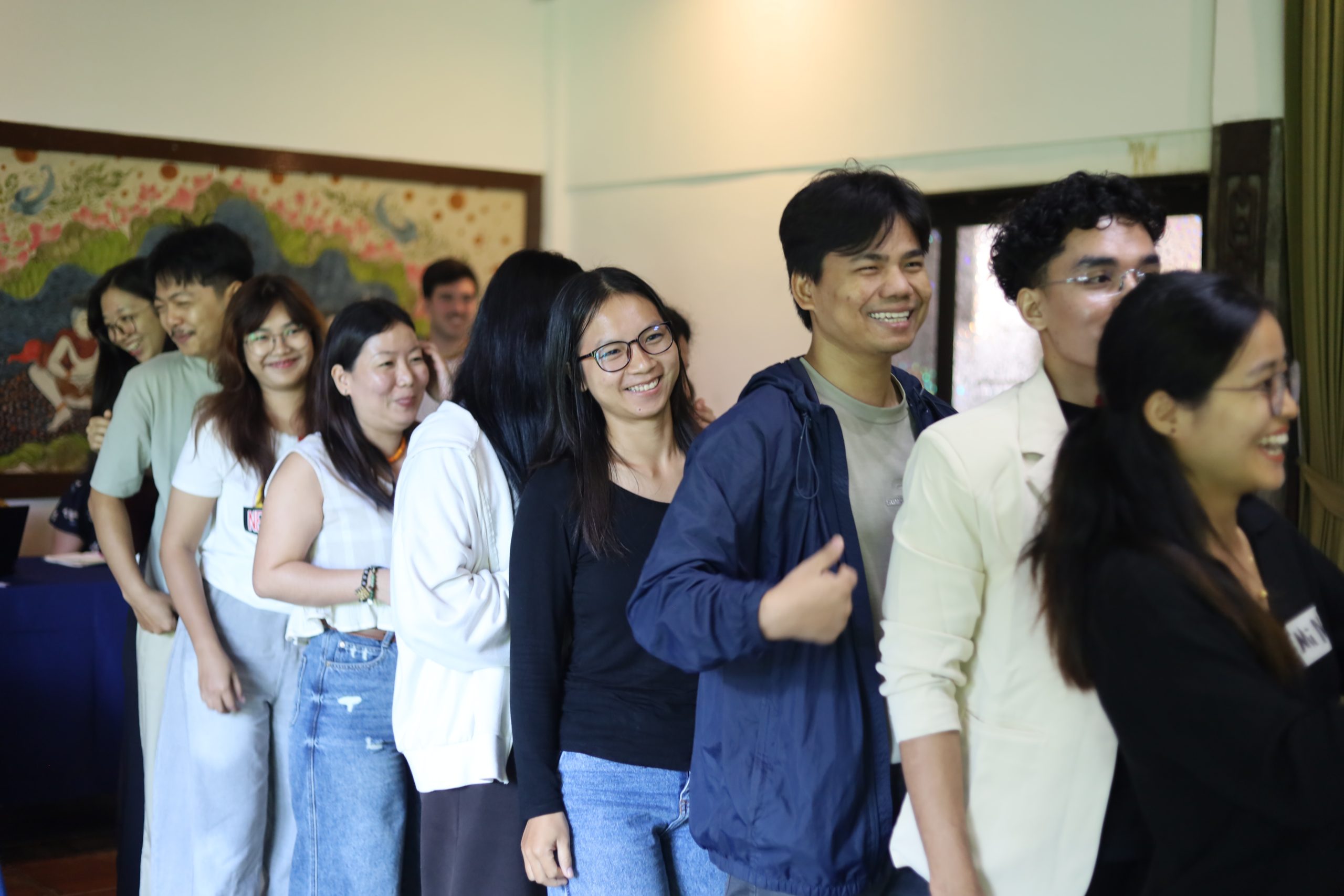
Youth engaging in social cohesion activity.
Social Cohesion and Youth Leadership for Peaceful Coexistence
Social cohesion was explored not simply as the absence of conflict, but as the ability of people from different backgrounds to coexist, participate, and build relationships while respecting one another’s identities.
Participants discussed three approaches to managing diversity: assimilation, integration, and separate coexistence, or “twin solitudes.” These frameworks helped them reflect on the relationship between cultural identity, equality, and belonging, drawing connections to Myanmar’s history of ethnic tensions and the challenges of building an inclusive society.
The discussions highlighted integration as an approach in which communities can share a common society while maintaining their distinct ethnic, religious, and cultural identities. Participants considered how mutual respect, equal rights, and meaningful participation can help build trust between communities.
The fellowship also explored different approaches to conflict management through interactive leadership activities. Using animal characters to represent competing, compromising, accommodating, avoiding, and collaborating styles, participants reflected on how people respond differently to disagreements. They discussed why effective leadership requires flexibility and an understanding of the situation, relationships, and power dynamics involved.
These activities encouraged participants to think about their roles as young leaders—not only within organizations or youth groups, but also in their workplaces, educational environments, and relationships with Thai host communities.
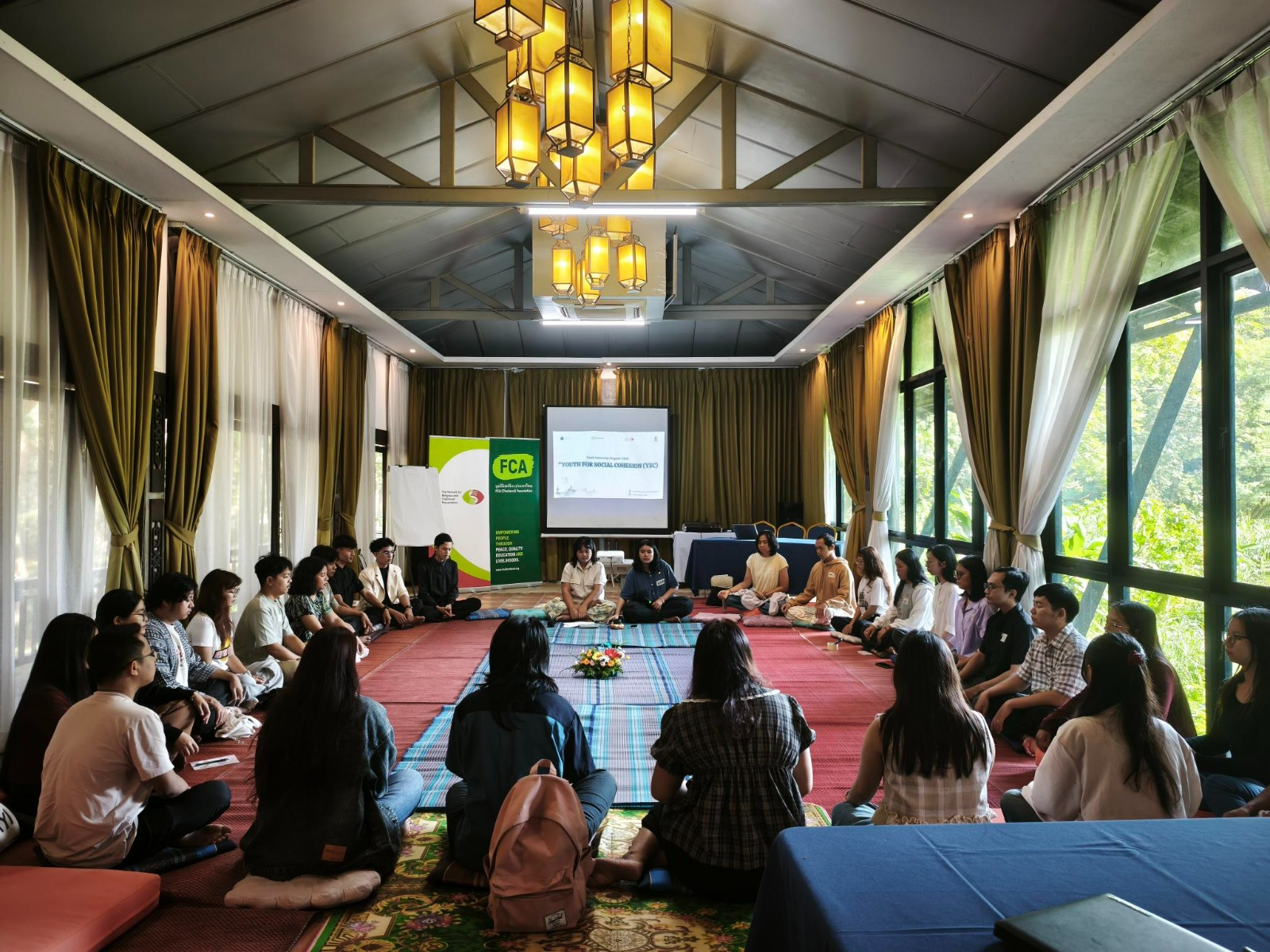
Participants engaging in a group reflective exercise.
From Connections to Collective Action
The fellowship aimed to ensure that learning could continue beyond the workshops. Participants mapped organizations and services available in their communities, identifying potential sources of support in education, legal assistance, health care, and psychosocial well-being.
Organizations discussed included Asylum Access Thailand (AAT), Burma Concern (BC), BEAM Education Foundation, Rights Beyond Borders, the Human Rights and Development Foundation (HRDF), MAP Foundation, Mae Tao Clinic, and M-Fund, among others. This exercise helped participants become more familiar with existing support networks and consider how to connect their peers with relevant services.
In Mae Sot, participants formed four action groups to develop community initiatives based on their interests and local needs. Their proposed activities included legal-awareness workshops for factory workers, youth dialogue sessions, accessible information materials about rights and documentation, mental health awareness activities, scholarship and vocational training connections, and a community resource guide covering education, health, legal, and social services.
These ideas demonstrate that participants see the fellowship as a starting point for continued learning, collaboration, and community engagement.
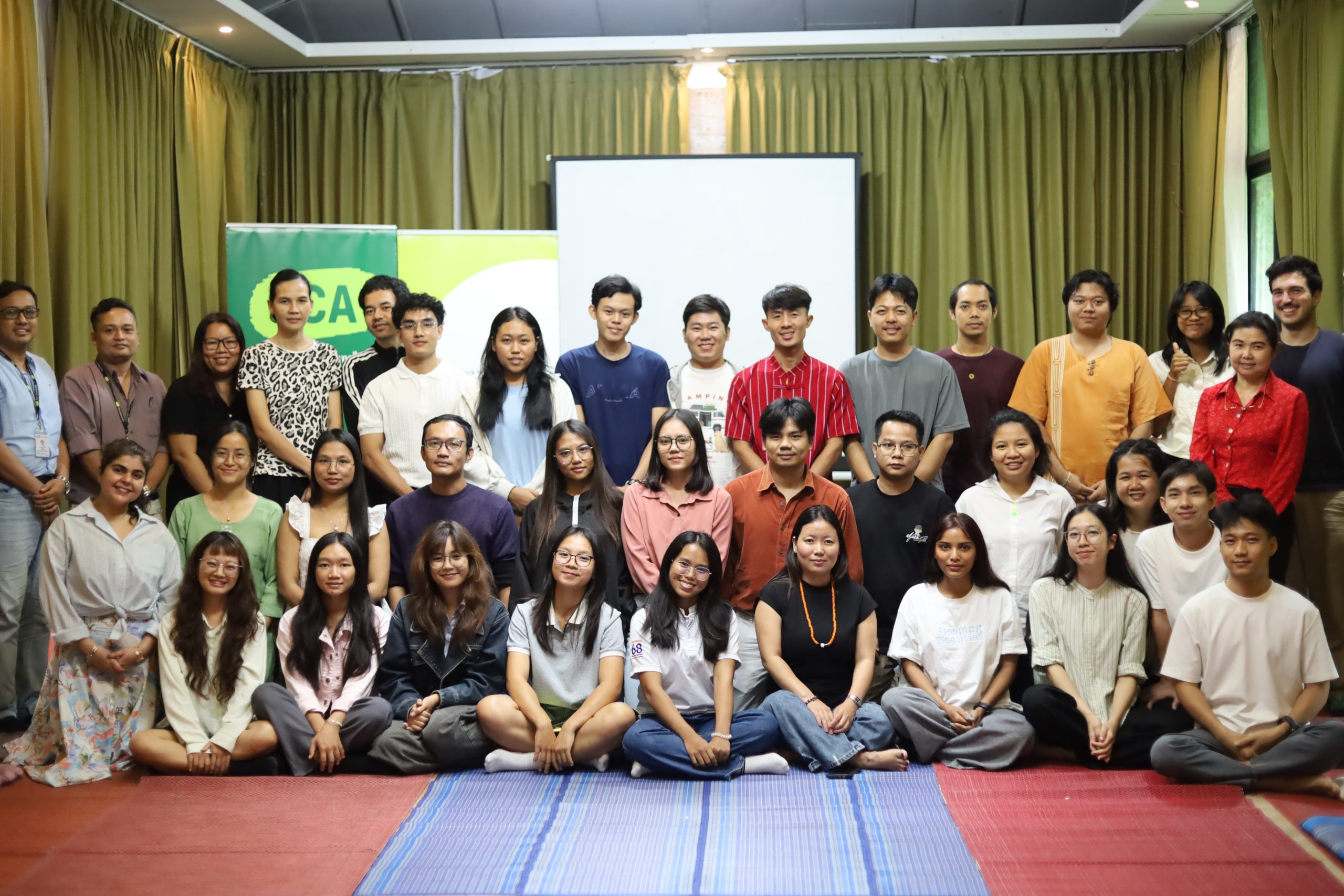
Young leaders, migrant and displaced youth gather in Mae Sot, Tak Province and in Chiang Mai for a Youth on the Move: A Regional Approach to Resilience workshop.
Youth Voices
Beyond the knowledge and skills gained, participants emphasized the importance of feeling safe, welcomed, and connected. For many, the opportunity to meet people from different backgrounds and build friendships was one of the most meaningful parts of the experience.
A participant who travelled from Southern Thailand reflected on the knowledge and relationships gained during the fellowship:
“Before the program, I had limited knowledge of the legal documentation process and Thai laws and policies affecting newcomers like me. Through the sessions, I gained valuable knowledge about the documents needed to live in Thailand. Beyond learning, I felt warmly welcomed and connected with everyone, like being part of a second family. Although it was only a three-day program, I made meaningful friendships and memories that I still miss. I’m also deeply grateful to my friends from the program for showing their support for the recent flooding in my hometown, Dawei. This program means so much to me, both for the knowledge I gained and the sense of belonging I experienced.”
A Mae Sot participant also described how the fellowship encouraged greater attention to personal well-being:
“I’m really happy that we had the chance to spend time together, not only during the day but also in the evenings. I felt safe being with everyone, especially my friends and the team. After the program, especially through the morning meditation sessions, I became more aware of the importance of taking a deep breath and caring for myself when facing challenges in daily life.”
For another participant, the experience opened doors to new connections and opportunities:
“This was the first program I joined in Thailand where I truly felt safe and welcomed, like I was part of a family with my new friends and the team. I felt inspired and motivated. After the program, I also gained access to more opportunities, including scholarships and other opportunities for personal development. I was even able to connect with other organizations.”
Building What Comes Next
The 2026 Y4SC Fellowship highlighted that social cohesion begins with how people listen, understand, and relate to one another, but it also requires practical knowledge, equal opportunities, and collective action.
Across Mae Sot and Chiang Mai, young people explored the connections between personal power and social structures, learned more about their rights and available support, challenged assumptions about identity and difference, and developed ideas for strengthening their communities.
The fellowship’s value extends beyond the three days spent together in each location. The friendships, peer-support networks, service mapping, and proposed community initiatives offer opportunities for continued engagement after the workshops.
Through continued connections with fellows from the 2025 and 2026 cohorts, SEM will support opportunities for peer learning, online information-sharing, dialogue,youth-led initiatives,youth policy advocacy recommendation. The experiences and recommendations of participants will also contribute to future programming under FCA’s regional Youth on the Move initiative.
Young people living through displacement and uncertainty should not be seen only through the challenges they face. They are also community builders, problem-solvers, and emerging leaders. By strengthening their knowledge, relationships, and collective capacity, the Y4SC Fellowship seeks to support them in shaping communities where people can live with dignity, respect differences, and work together towards a more peaceful and inclusive future.
Follow the Peacemakers Network on social