
Bridging the Tracks: Strengthening the Role of Insider Mediators in Peacebuilding
October 2026
Religious and traditional leaders, peacebuilding practitioners, government representatives, researchers, civil society actors, and development partners gathered in Nairobi, Kenya for a research dissemination event of the report Bridging the Tracks: The Roles of Tradition and Faith-Oriented Insider Mediators (TFIMs) in Africa.
Convened by the Network for Religious and Traditional Peacemakers (NRTP) together with Finn Church Aid (FCA), the event provided a platform to examine how trusted local mediators can be better recognised, supported and linked to formal peace and political processes. Discussions also explored the relevance of TFIMs to conflict prevention and peaceful electoral processes in Kenya ahead of the 2027 General Election.
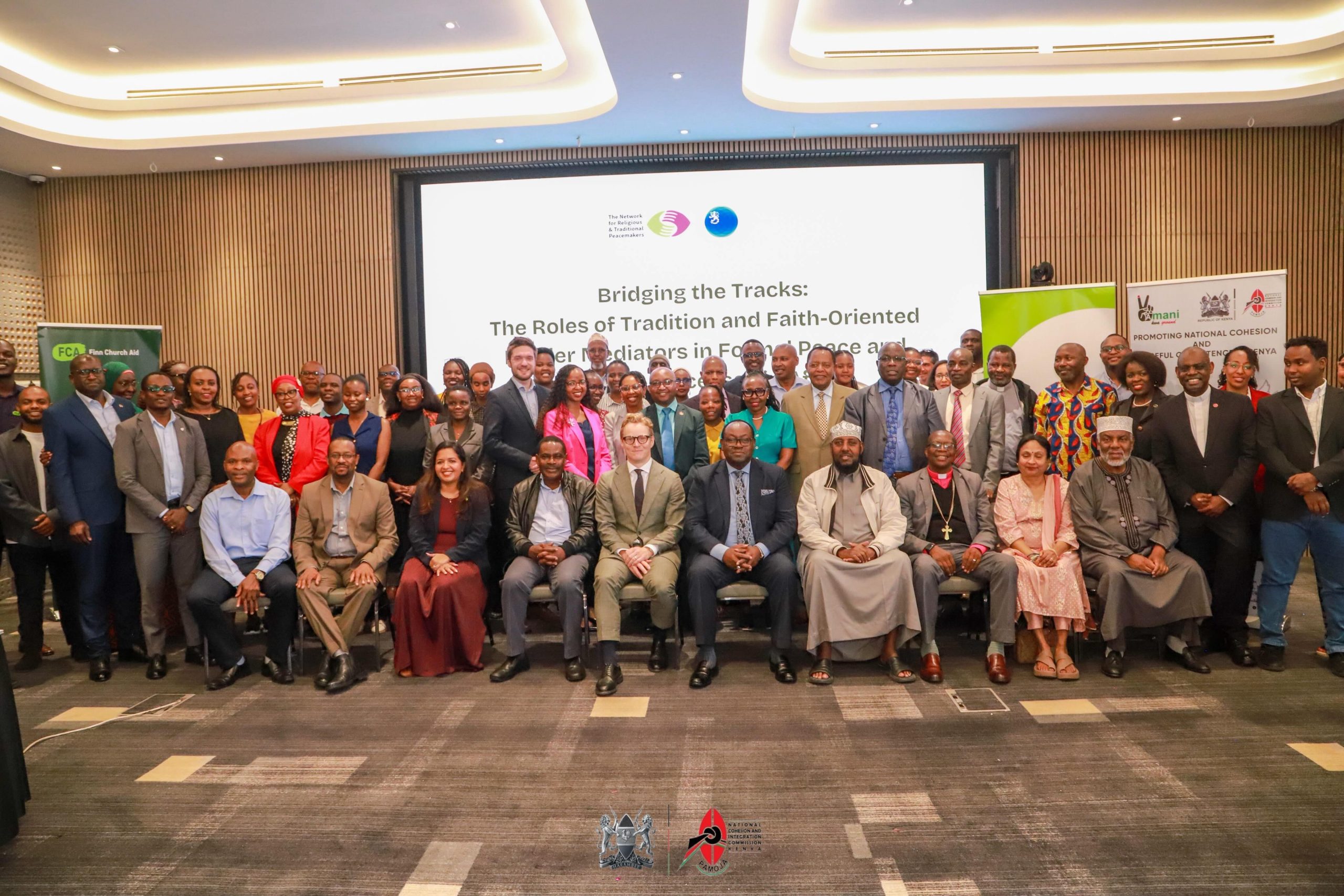
Religious and traditional leaders, peacebuilding practitioners, government representatives, researchers, civil society actors, and development partners at the research dissemination event for the report, Bridging the Tracks: The Roles of Tradition and Faith-Oriented Insider Mediators (TFIMs) in Africa, in Nairobi, Kenya.
A central message from the event was that TFIMs bring forms of community trust, cultural fluency, moral authority and long-term presence that formal institutions may not always possess. The research presented during the meeting highlighted their contributions through formal mediation, backchannel diplomacy, cross-track engagement and civic leadership.
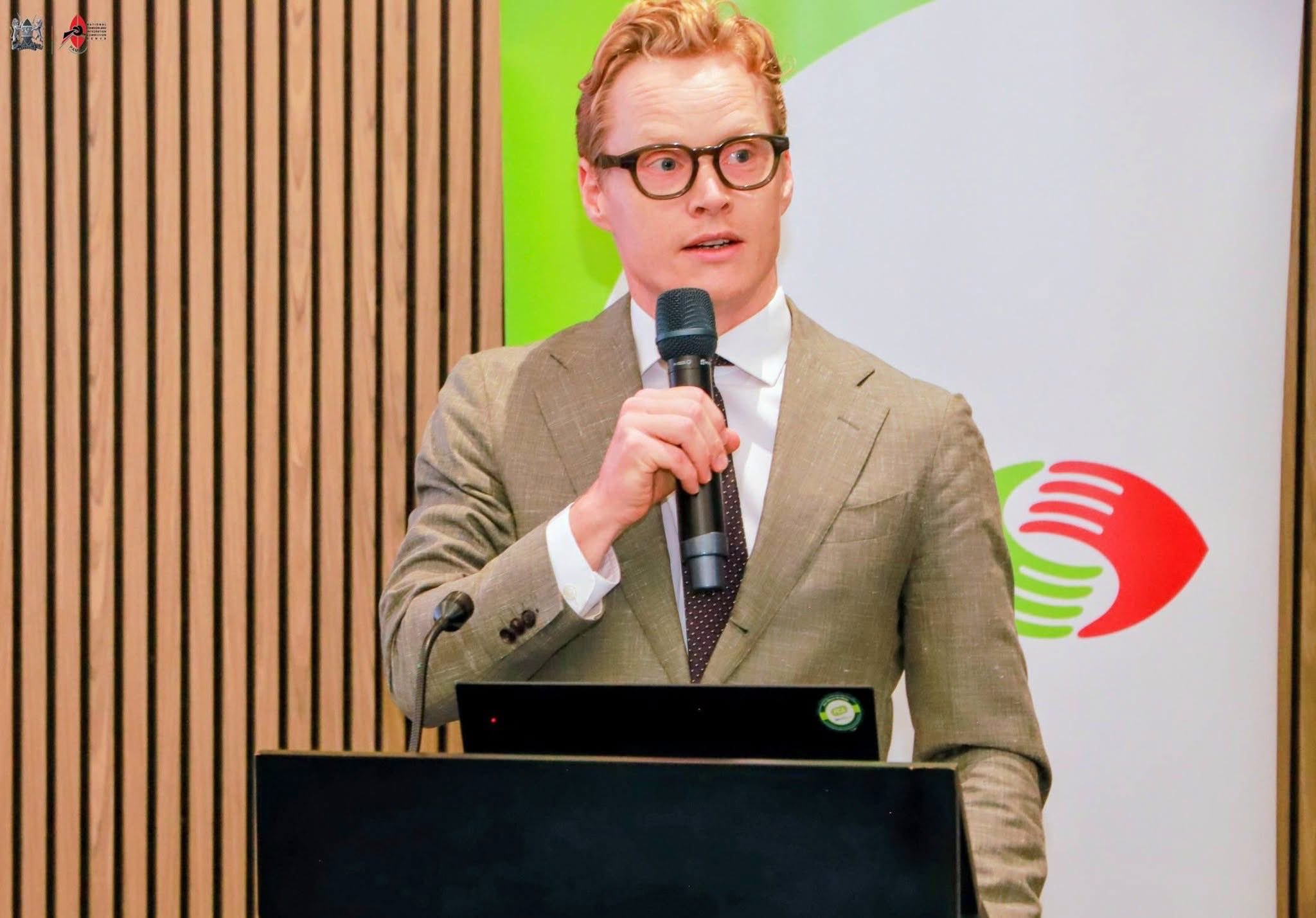
Opening remarks from Leo Svahnbäck, Deputy Head of Mission at the Embassy of Finland, at the research dissemination event.
In his opening remarks, Leo Svahnbäck, Deputy Head of Mission at the Embassy of Finland, highlighted the importance of locally rooted mediators who remain engaged before, during and after formal peace processes. He stressed that meaningful local ownership should include women, young people and persons with disabilities, and noted the importance of cross-track approaches where formal political dialogue is weak or stalled.
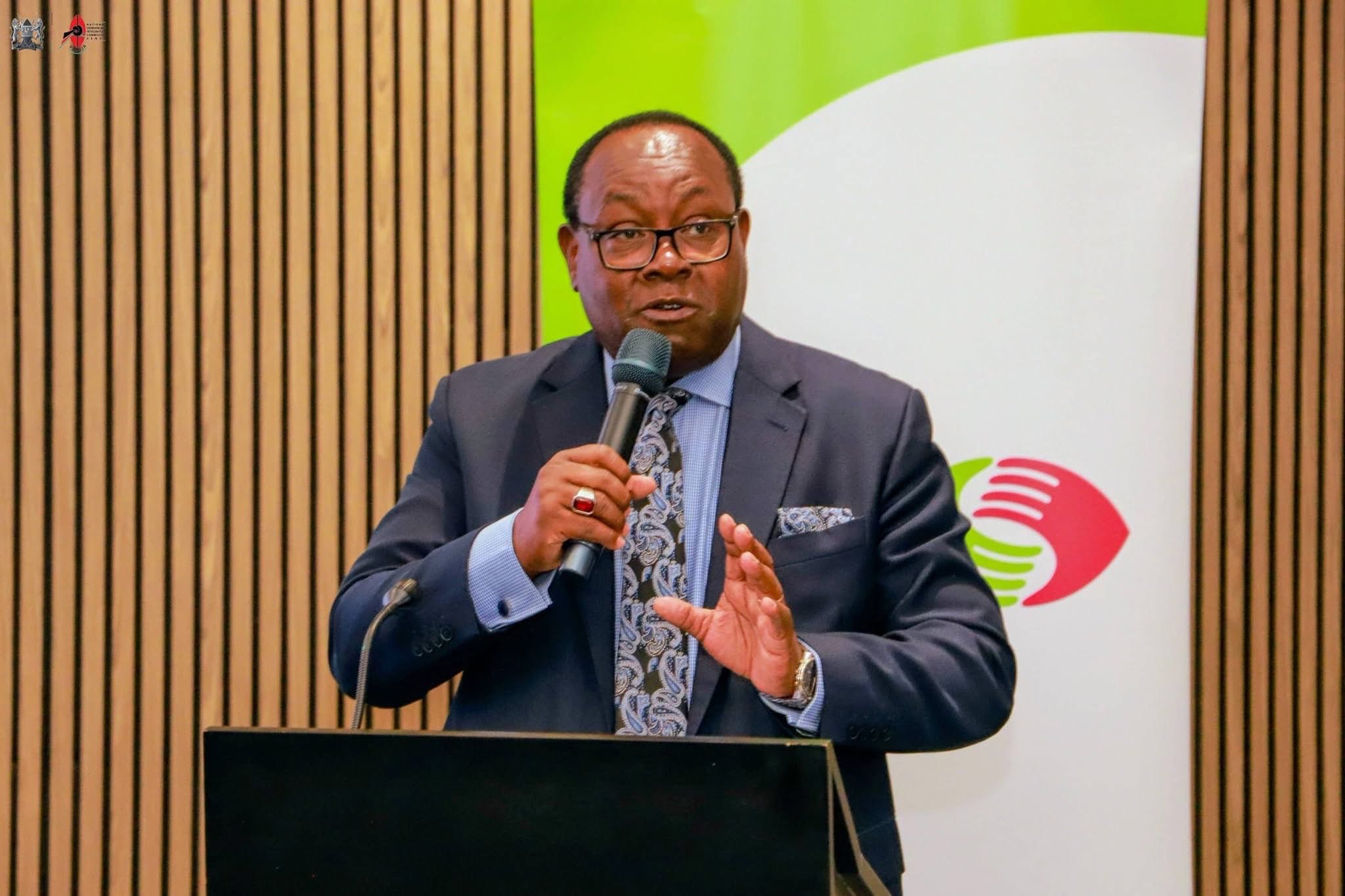
Keynote address, Bishop Dr. Kepha Nyamweya Omae, Chairperson of the National Cohesion and Integration Commission (NCIC) at the research dissemination event.
Delivering the keynote address, Bishop Dr. Kepha Nyamweya Omae, Chairperson of the National Cohesion and Integration Commission (NCIC), emphasised that sustainable peace cannot rely on state institutions alone. He highlighted the “soft power” of trusted religious and traditional leaders and called for credible peace champions to be identified, supported and linked more deliberately to grassroots peacebuilding.
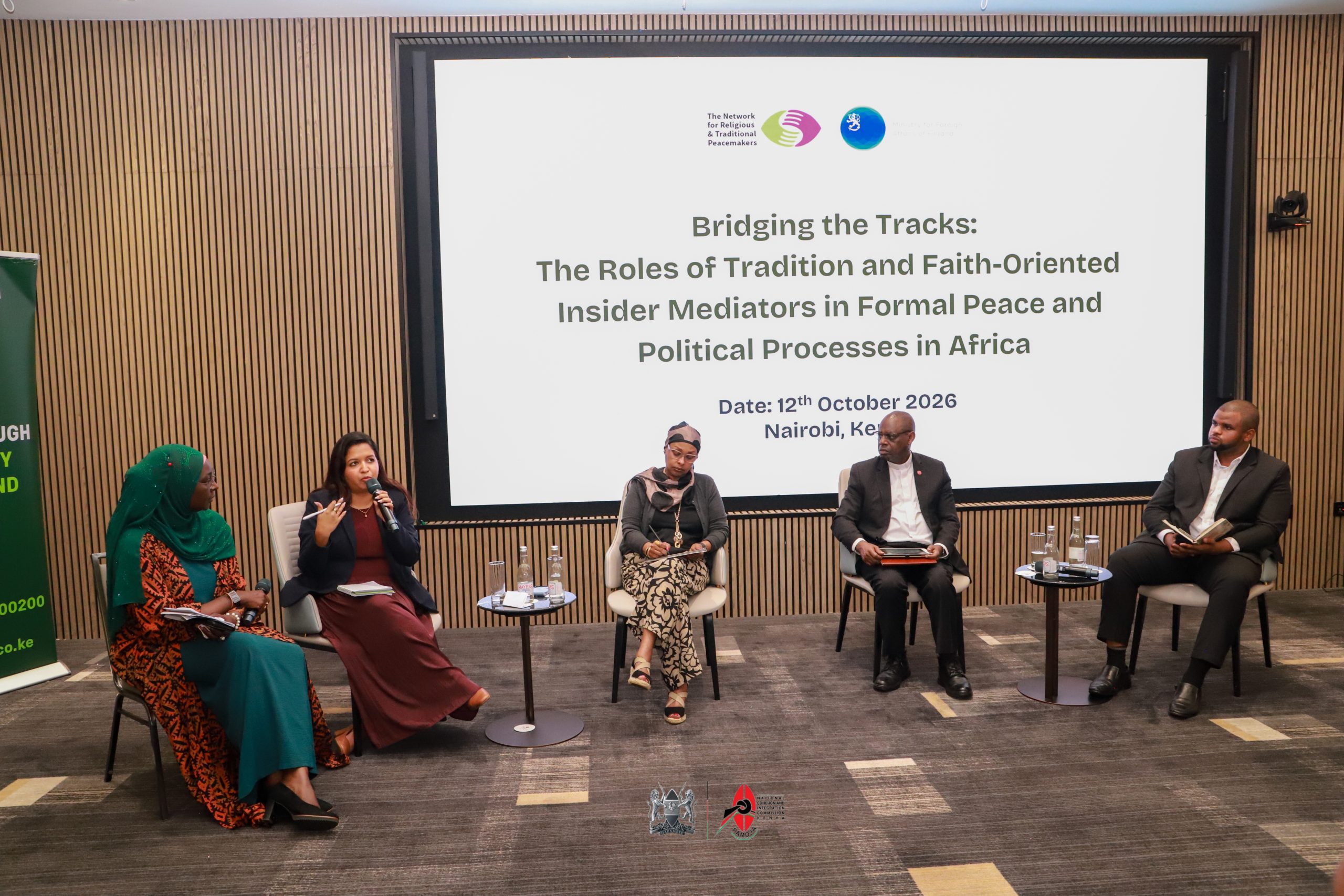
Panel discussion emphasized that effective insider mediation is grounded in trust, proximity and legitimacy.
What makes an effective insider mediator?
During the panel discussions, participants emphasised that effective insider mediation is grounded in trust, proximity and legitimacy.
TFIMs were described as actors who understand the “local grammar of peace” the relationships, values, narratives and cultural practices that influence whether dialogue, reconciliation and trust-building efforts can succeed. At the same time, participants cautioned that religious or traditional status alone does not guarantee credibility. Political interference, funding dependence, personal interests and perceived partisanship can undermine public trust.
Clear selection criteria, ethical standards and safeguards for mediator independence and impartiality were therefore identified as essential. Discussions also underscored the need to ensure meaningful participation of women, youth and persons with disabilities as mediators and peace actors in their own right. Youth engagement was particularly linked to digital platforms, information flows and early-warning efforts.
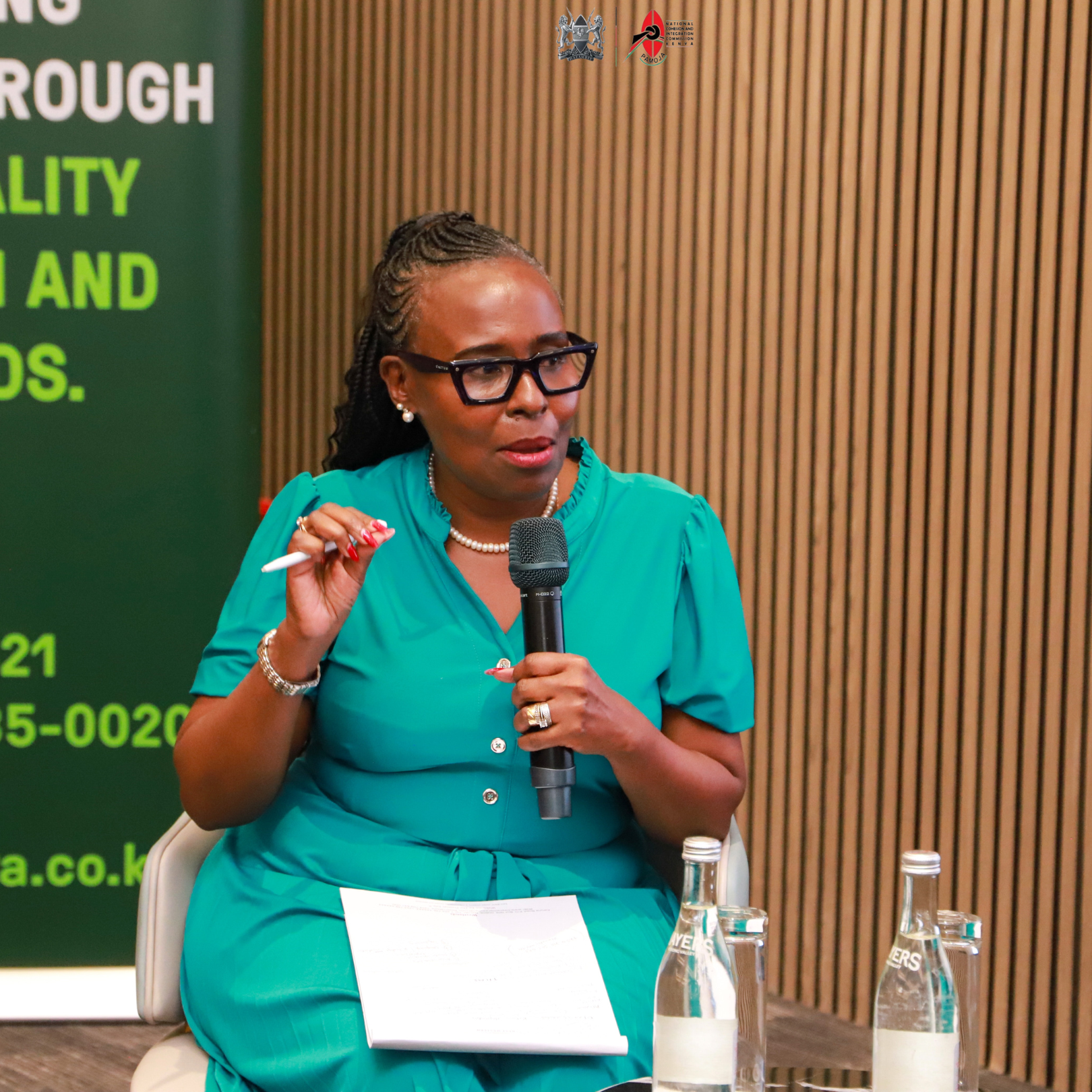
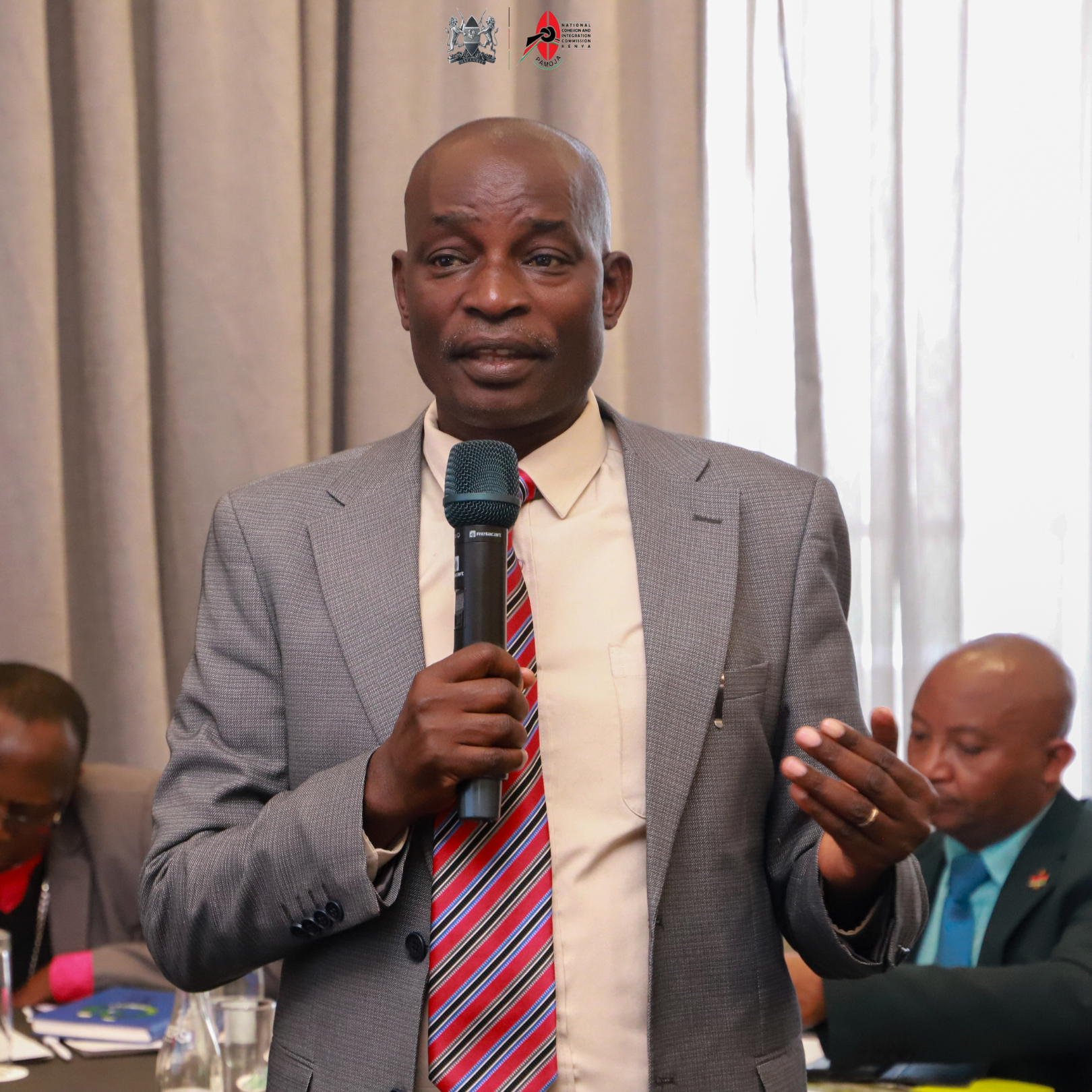
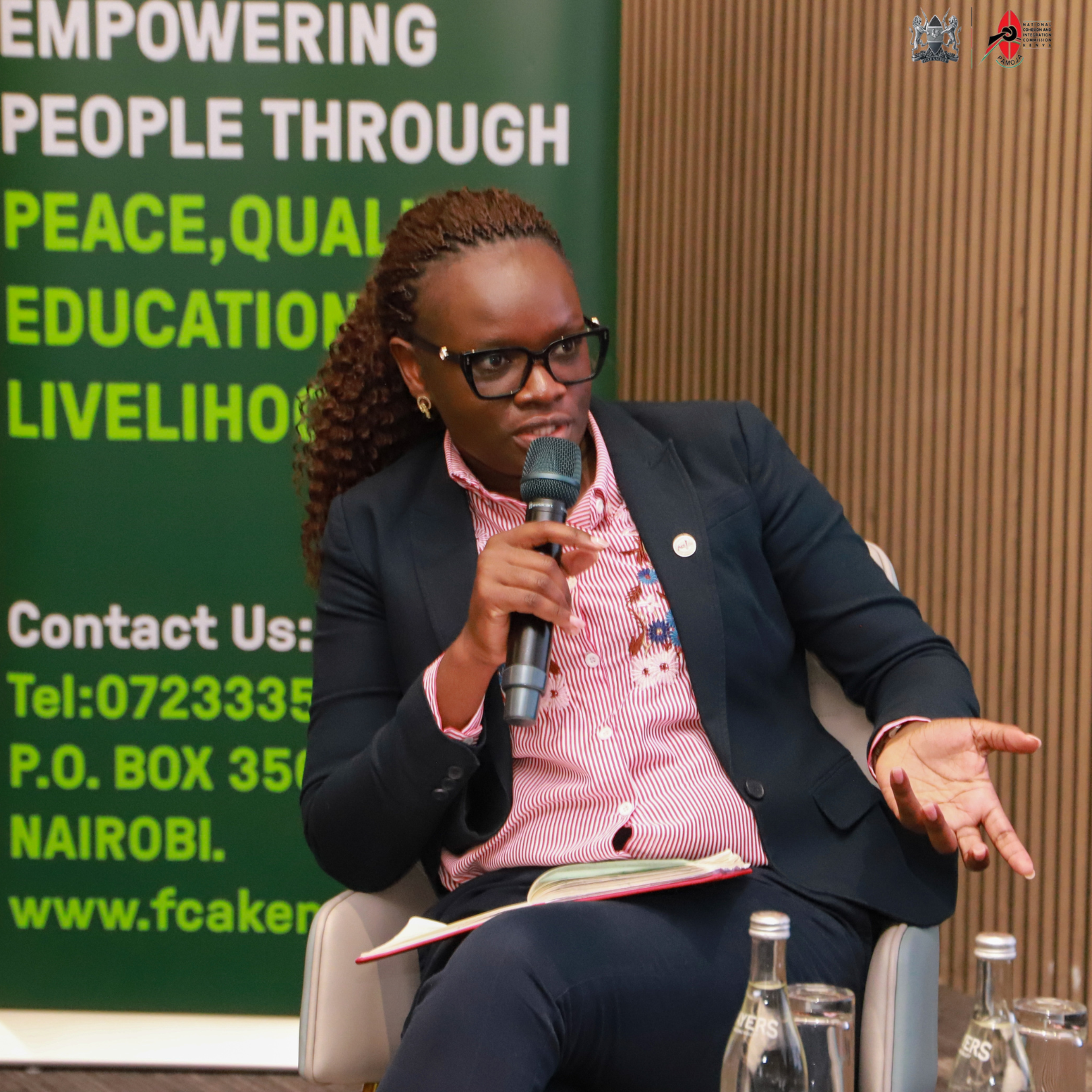
Participants sharing remarks and recommendations at the research dissemination event.
Building on existing peace structures
The Kenya-focused discussions highlighted the importance of understanding elections as a cycle rather than a single polling-day event, requiring sustained peacebuilding interventions before, during and after elections. Participants stressed that the priority should not be to establish parallel mechanisms, but to strengthen connections between existing peace committees, alternative justice mechanisms, faith platforms, community mediation structures and national institutions.
The discussions also called for stronger early-warning systems, sustained peace messaging and civic education, clearer safeguards against political co-option, and stronger links between grassroots actors and national peace structures. The event reaffirmed that TFIMs are not substitutes for formal peace institutions. Their value lies in the trust, access, moral leadership, cultural knowledge and relationships they bring to peace processes.
When these strengths are linked respectfully and strategically to formal peace structures, TFIMs can help make peacebuilding more locally grounded, inclusive and sustainable.
Download the full report here.
Follow the Peacemakers Network on social