Side by Side: Faith in Action for Inclusion: Highlights from the UN Commission on the Status of Women
March 2026
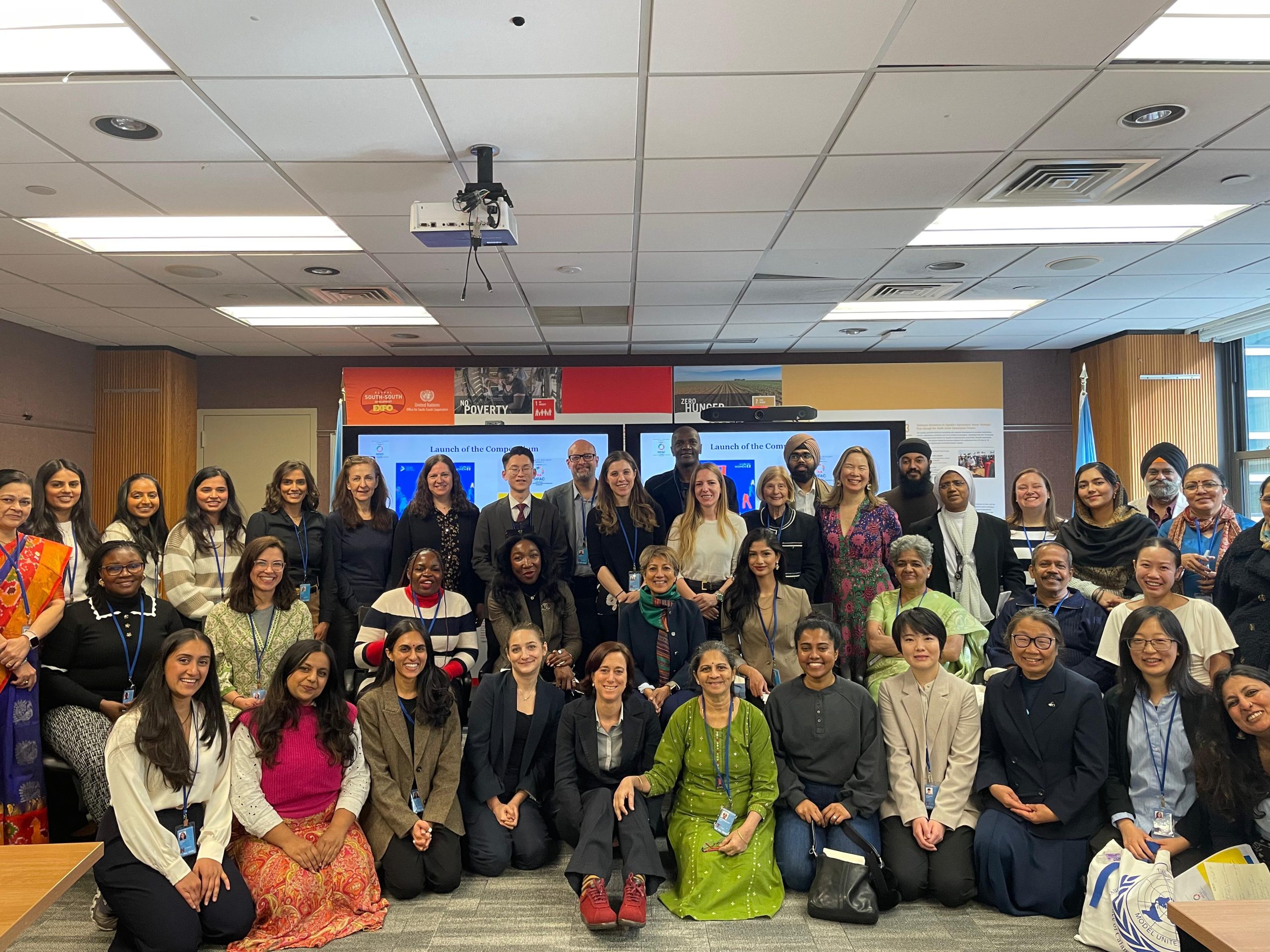
Group photo of in-person MFAC CSW workshop hosted by UNDP.
For this year’s 70th UN Commission on the Status of Women (CSW70), the Gender Working Group of the Multi-Faith Advisory Council to the UN Inter-Agency Taskforce on Religion and Sustainable Development (MFAC-IATF) convened faith-based actors, UN entities and broader civil society online and in New York to discuss key findings from the draft research compendium of multi-faith sacred texts and theological analysis and best practice-based examples of institutions that highlight a range of faith informed approaches to counter hateful narratives against gender equality. These workshops served as dialogue spaces to raise awareness of how the broader community can utilize this tool to collectively unite to address backlash and enable discussions across faith-traditions on religious texts that inspire human dignity and respect and co-create practical steps for faith-based action and advocacy.
The draft research compendium is open for comments and feedback until July, 2026. Individuals and organizations may also express their approval of the compendium’s objectives and their commitment to advancing its principles and use.
The online workshop held on Monday, March 9, hosted by Gender Working Group member, Muslims for Progressive Values, welcomed over 100 individuals from around the world. Facilitators from Soka Gakkai International, World YMCA, Muslims for Progressive Values, the and the Jewish Theological Seminary joined to help lead breakout room discussions.
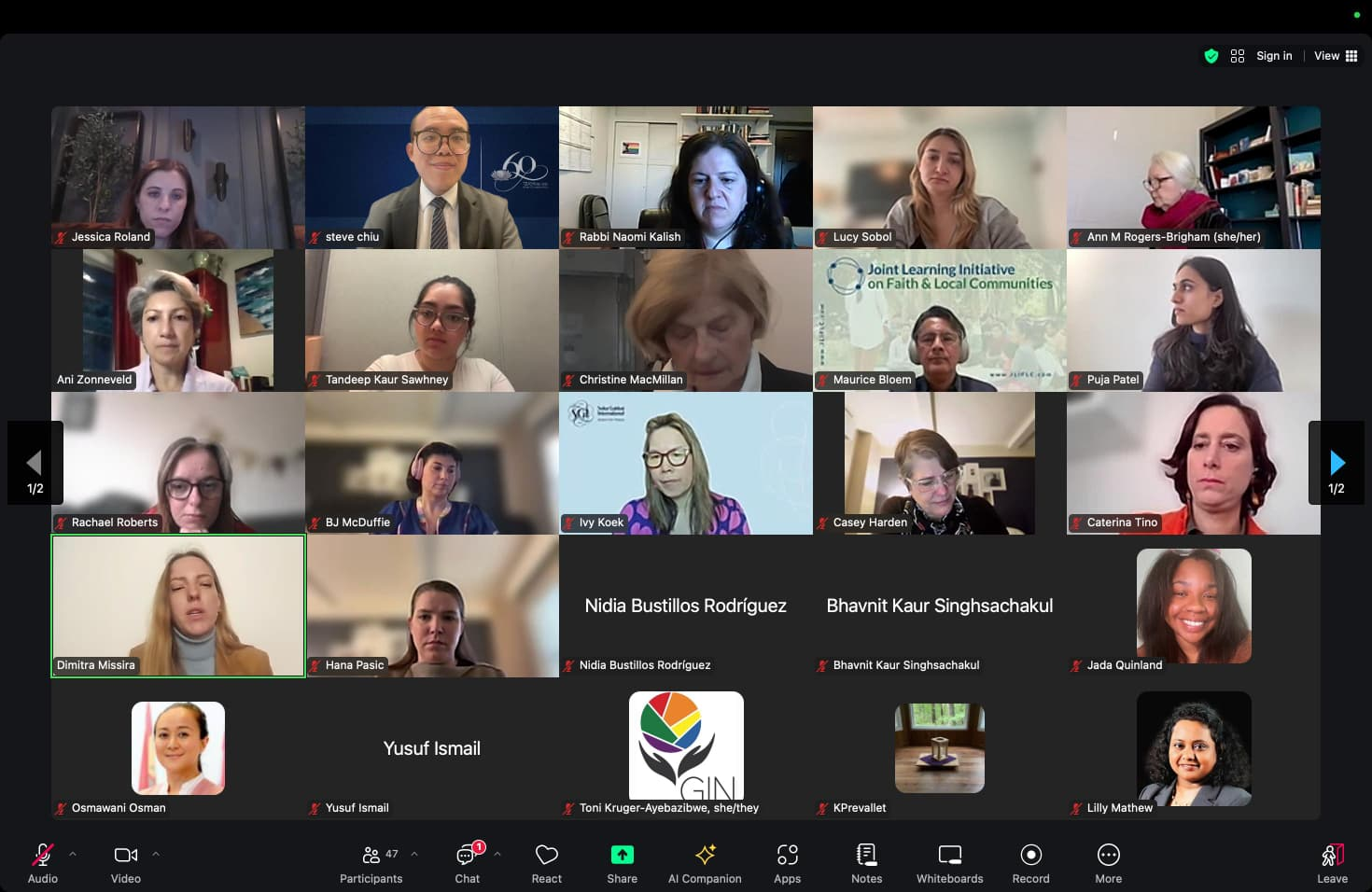
Online MFAC CSW workshop.
The in-person workshop held on Friday, March 13 and hosted by the UN Development Programme welcomed over 50 participants from around the world. Welcoming remarks and the research presentation were provided by the Gender Working Group Co-Chairs, Dimitra Missira of the International Dialogue Centre (KAICIID) and Jessica Roland of the Network for Religious and Traditional Peacemakers. Additional facilitators from the Tzu Chi Foundation, the ACT Alliance, BAPS Swaminarayan Sanstha North America, Joint Learning Initiative on Faith and Local Communities, and the World Evangelical Alliance helped to facilitate the intra-faith group discussions. Reflections concluded with remarks from MFAC-IATF Co-Chair, Dr. Nkeiruka Didigu, Senior Strategic Partnerships, of the UN Population Fund (UNFPA) and Gender Working Group Co-Chair Jessica Roland. Roland noted that the Gender Working Group would be hosting further intra-faith workshops to obtain more feedback on the draft compendium, connecting with religious scholars for technical input, and engaging with Member States to build political support. The final launch event will be held at the UN General Assembly this fall.
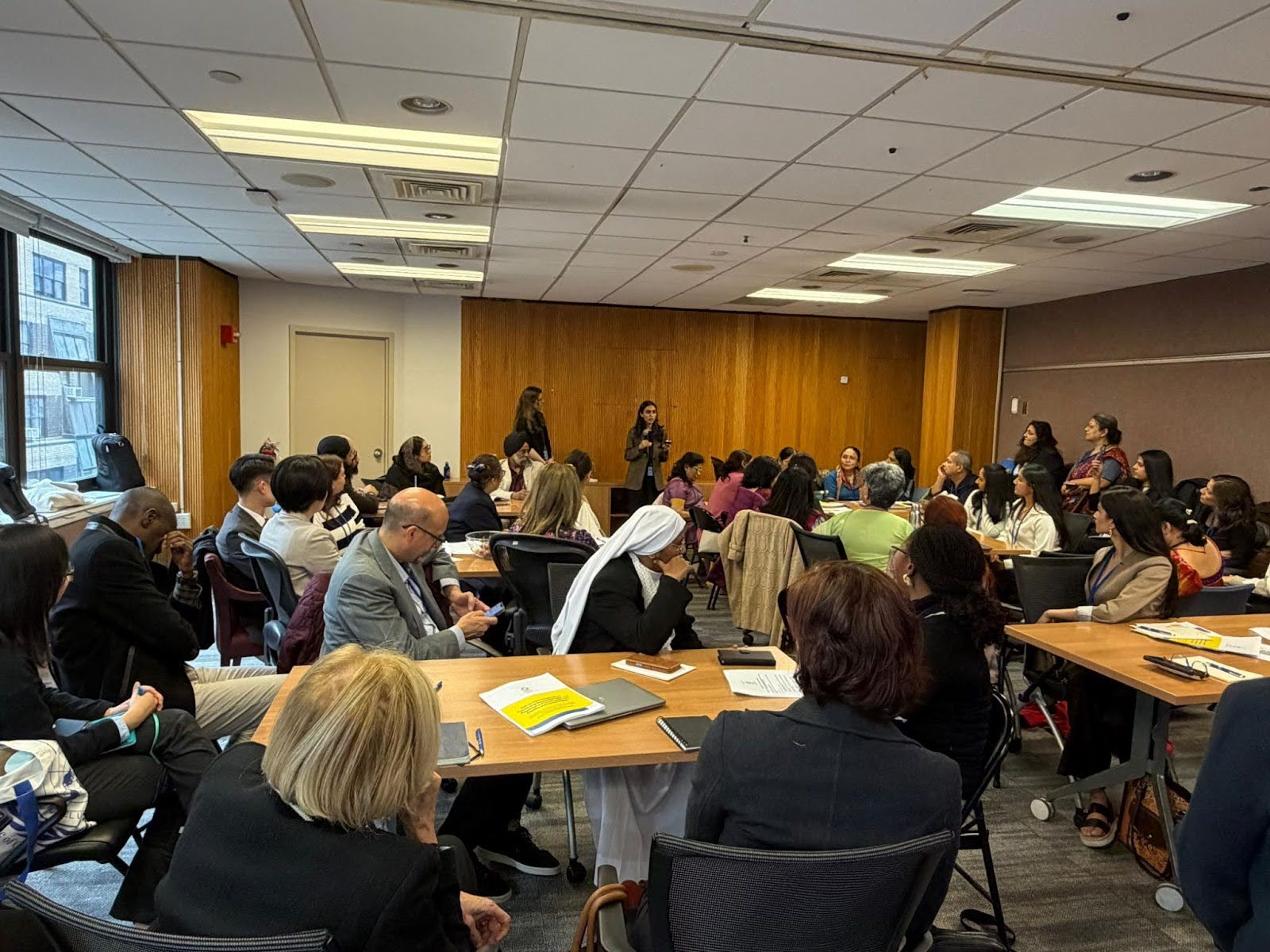
Puja Patel, Volunteer, BAPS Swaminarayan Akshardham, providing a readout from the Hindu group.
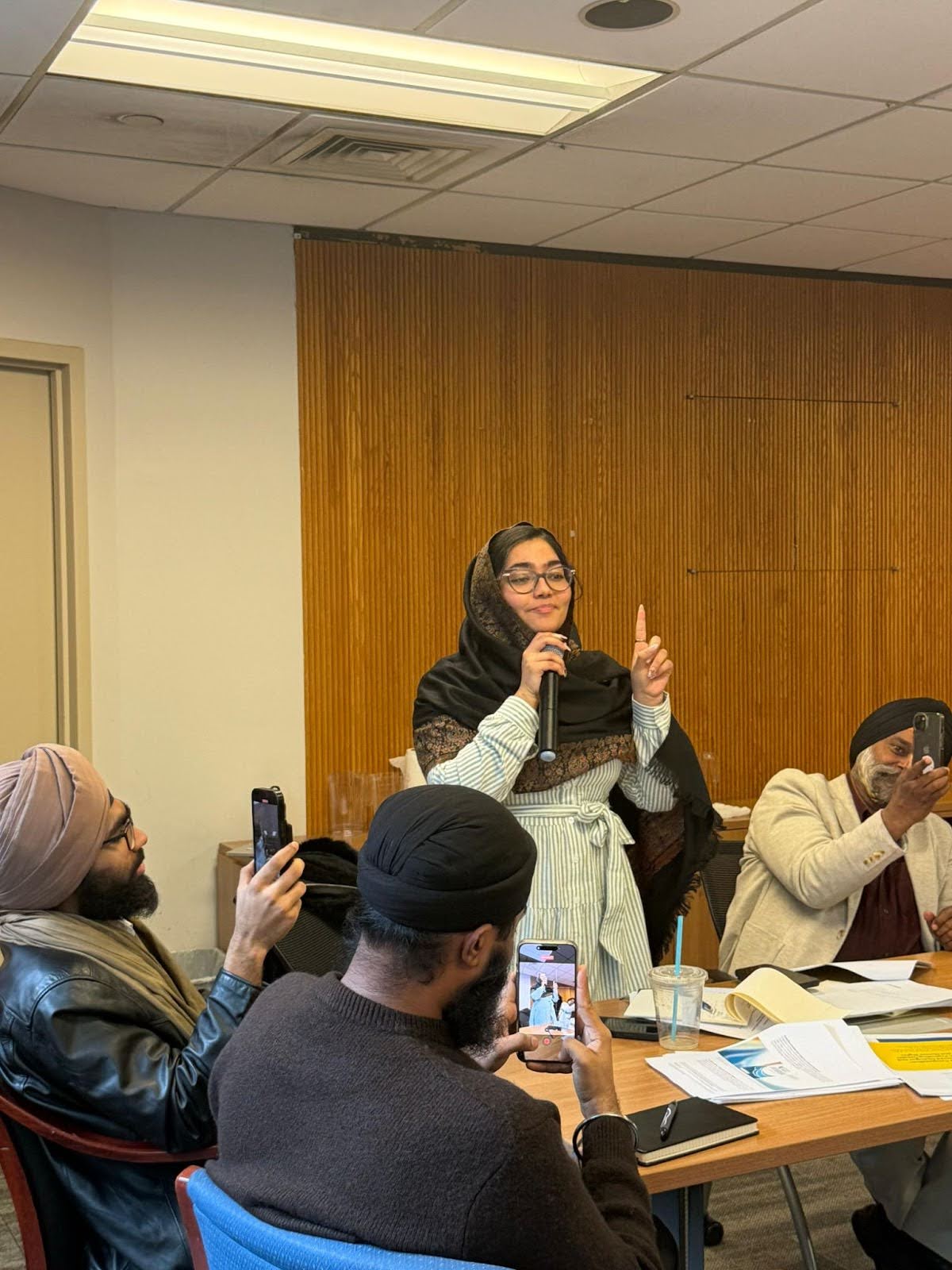
Tandeep Kaur Sawhney, Director of Asian American Outreach, US Senate, providing a readout from the Sikh group.
In addition to the workshops, MFAC-IATF member, UN Women, invited members of the Gender Working Group to participate in their Push Forward Dialogues to discuss impactful practices for advancing rights, equality and justice in a changed global context. Gender Working Group Member Ani Zonneveld, Executive Director for Muslims for Progressive Values, spoke of her organization’s work in showcasing impactful practices around narrative change, while also highlighting the development of the MFAC compendium. The outcomes of the dialogue will be made through a final reflections paper made available to the public.
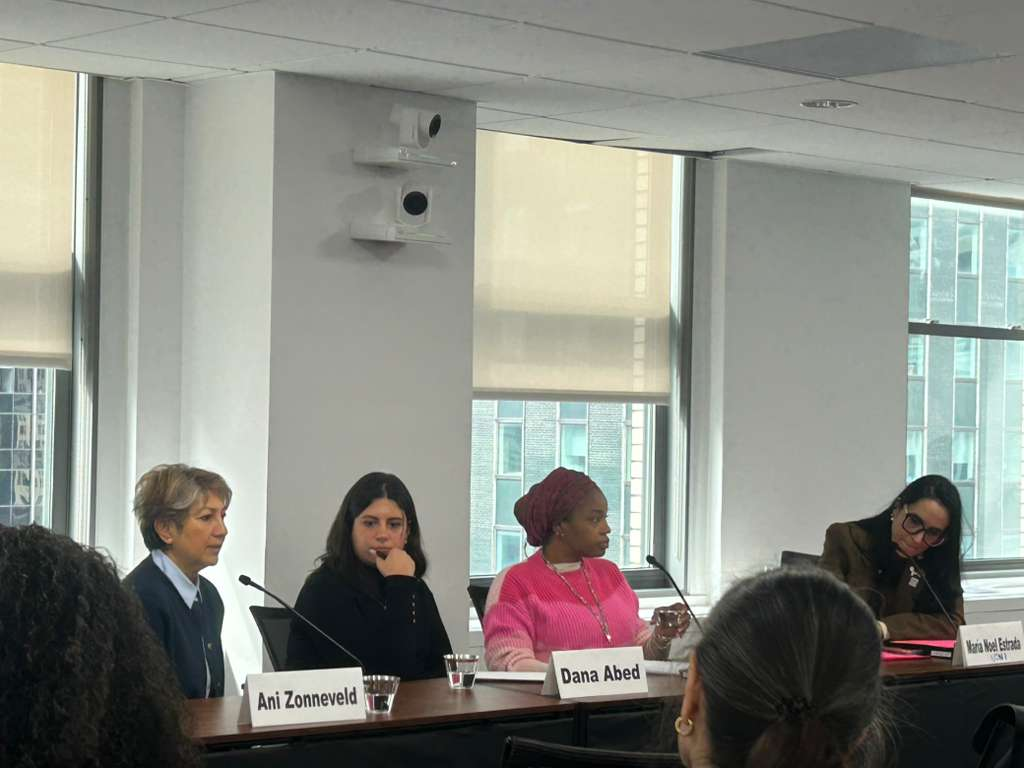
Ani Zonneveld, Executive Director of Muslims for Progressive Values, speaking at the UN Women Dialogues.
About the Gender and Peace and Security Working Groups of the UN Multi-Faith Advisory Council
The Multi-Faith Advisory Council (MFAC) was established by the UN Inter-Agency Task Force on Religion and Sustainable Development (IATF-Religion) in September 2018. This informal and voluntary entity consists of a distinguished group of UN-accredited faith-based organizations reflecting the diversity of religious expressions with representation from around the world. To support gender justice and peace and security as primary initiatives for MFAC, two Working Groups were formed (among others).
The Gender Working Group, particularly concerning the empowerment of women and girls and their intersectionality, was formed, currently comprising 16 organizations. The main objective of the Gender Working Group is to facilitate the implementation of the 2030 Agenda for Sustainable Development and beyond, ensuring that advancements in human rights are viewed through the lens of gender justice. This group also plays a crucial role in bridging the gap between the UN and faith-based organizations (FBOs), helping the UN understand how religion and religious beliefs influence its pillars, especially Sustainable Development Goal 5 (SDG 5). You can learn more about the MFAC Gender Working Group and the intersection of faith and gender here.
Follow the Peacemakers Network on social